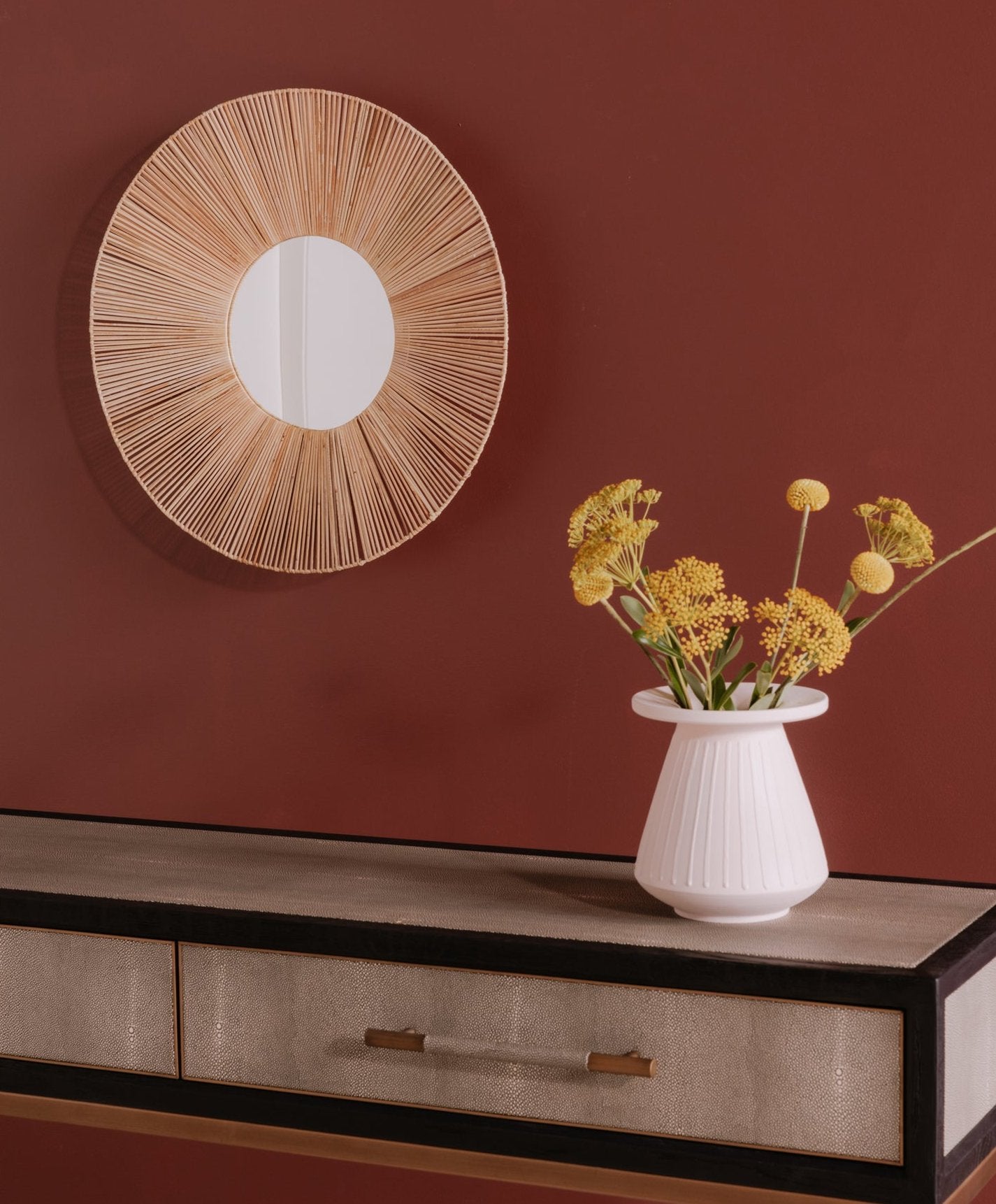


Plants bring life to any space. But the container you choose matters just as much as the plant itself. Luxury planters transform ordinary greenery into stunning focal points that catch every eye. They protect your plants while adding style to your home or patio.
In Houston's warm climate, where outdoor living spaces shine year-round, the right planter makes all the difference.
Quality containers handle our heat, humidity, and sudden storms. They also last for years instead of cracking after one season. Your choice of planter affects how often you water, how well your plants grow, and how beautiful your space looks every single day.
The smartest planter choices combine beauty with practical features designed for real life.
Key Takeaways
The best luxury planters combine high-quality materials like fiberglass or terrazzo with smart features like self-watering systems. Choose lightweight fiberglass for large outdoor spaces, ceramic for indoor displays, and self-watering options if you travel often. Size matters: pick pots 2 inches wider than your plant's current container. Modern planters feature clean lines, neutral colors, and weather-resistant construction that lasts for years.
|
Feature |
Indoor Planters |
Outdoor Planters |
|
Best Materials |
Ceramic, glazed pottery |
Fiberglass, terrazzo, and concrete |
|
Size Range |
4-15 inches |
12-30+ inches |
|
Must-Have Feature |
Saucer for water |
Drainage holes |
|
Price Range |
$30-300 |
$50-500+ |
|
Top Priority |
Style and color |
Weather resistance |
|
Self-Watering |
Optional but helpful |
Great for large pots |
Recreate your Houston home with premium planters from Modern Luxury. Visit our showroom in Sugarland to see designer collections that blend style with lasting quality.
Why Your Planter Choice Matters More Than You Think
Your planter does three big jobs at once. First, it holds soil and water for your plant's roots. Second, it protects those roots from getting too hot or too cold. Third, it adds beauty to your room or patio. A cheap plastic pot might crack in Houston's summer heat. A pot without drainage holes can drown your plant's roots. The wrong-sized container stops your plant from growing.
Good planters help you water less often. They keep the soil at the right temperature. They also make your space look finished and thoughtful. Think of planters as furniture for your plants. You pick quality furniture that lasts and looks great. Your plants deserve the same care.
Key Benefits of Quality Planters:
-
Better plant health and growth
-
Less frequent watering is needed
-
Protection from extreme temperatures
-
Professionals look for any space
-
Years of use without replacement
The material you choose changes everything. Heavy concrete planters stay put during storms. Lightweight fiberglass planters move easily when you redecorate. Ceramic planters come in beautiful glazes but need protection from freezing. Each material works best in specific situations.
Size affects plant health directly. A pot that's too small cramps roots and dries out fast. A pot that's too large holds too much water and causes root rot. The perfect size gives roots room to grow while keeping soil moisture balanced. This balance helps your plants thrive instead of just surviving.
The Difference Between Indoor and Outdoor Planters
Indoor and outdoor planters face totally different challenges. Indoor containers focus on looks and protecting your floors. Outdoor planters battle weather, temperature swings, and strong sun. You can't always swap them between locations.
Indoor Planter Features:
-
Lighter weight for easy moving
-
Saucers to catch extra water
-
Decorative finishes and colors
-
Smaller sizes for shelves and tables
-
Drainage holes are optional with liner systems
Outdoor Planter Features:
-
Heavy enough to resist wind
-
Drainage holes required
-
UV-resistant materials
-
Frost protection for winter
-
Larger sizes for visual impact
Indoor planters live in controlled spaces. They stay at comfortable temperatures year-round. Your biggest concerns are water spills and matching your décor. You can choose delicate materials like thin ceramic or painted finishes. Weight doesn't matter much since you rarely move them once placed.
Outdoor planters endure Houston's intense summer heat and occasional winter freezes. They need materials that won't crack, fade, or warp. Rain must drain away quickly to prevent root rot. The hot Texas sun can overheat dark-colored pots and damage plant roots. Light colors reflect heat better. Insulated materials like thick fiberglass protect roots from temperature extremes.
Consider placement, too. Indoor planter pots sit on floors, tables, or shelves where you see them up close. Outdoor planters often anchor entryways or line pathways where they're viewed from a distance. This changes the size and style you should pick.
What Makes a Planter "Luxury" or "Modern"?
Luxury means high-quality materials and expert craftsmanship. Luxury planters use materials that last decades, not seasons. They feature premium finishes like hand-applied glazes or polished terrazzo. Many come from designer brands with patents on special features. You're paying for durability, beauty, and often smart technology like self-watering systems.
Luxury Features Include:
-
Premium materials (fiberglass, terrazzo, designer ceramic)
-
Self-watering systems with indicators
-
Designer brand names and patents
-
Hand-finished details
-
Weather-resistant construction
-
Multi-year warranties
Modern describes a specific style. Modern planters have clean, simple lines. They avoid fussy details or traditional patterns. Colors stay neutral: white, black, gray, or natural tones. Shapes tend toward geometric forms like square planters or sleek cylinders. The look feels current and fits today's minimalist design trends.
Modern style also embraces new technology. Self-watering planters are modern. So are planters with LED lights built in. Some even connect to phone apps that monitor soil moisture. These features solve real problems while looking great.
You can find modern planters at many price points. But luxury modern planters combine that sleek style with materials that perform beautifully for years. A luxury modern planter might cost $200 while a basic modern one costs $30. The difference shows in weight, finish quality, and how well it handles weather.
Think about your goals. Do you want decorative and functional decor accessories that wow your guests? Luxury is worth it. Do you need budget-friendly containers for a starter garden? Modern style at lower prices works fine. Many people mix both: splurge on statement pieces for main areas, save on hidden containers.
Top Modern Planters That Combine Style and Smart Features
Self-Watering Planters for Busy Plant Parents
Self-watering planters have a hidden reservoir at the bottom. Water sits in this chamber below the soil. A wicking system pulls moisture up to the roots as needed. Your plant drinks exactly what it needs. You fill the reservoir every one to four weeks depending on size.
Best Self-Watering Brands:
-
Lechuza (Germany): Premium systems with water indicators, $50-300
-
Bloem Ariana: Budget-friendly with visible gauge, $15-40
-
Crescent Garden: High-end for frequent travelers, $150-500
These planters work great if you travel often or simply forget to water. The water indicator shows when to refill. No more guessing or checking soil with your finger. Plants stay consistently moist without getting waterlogged.
Upgrade your plant care routine with self-watering planters from Modern Luxury. Our Houston location carries premium Lechuza collections with German-engineered irrigation systems.
Important Note: Self-watering doesn't work for all plants. Succulents and cacti need dry periods between watering. These plants will rot in constantly moist soil. Use self-watering planters for tropical plants, ferns, and most houseplants.
Sleek Fiberglass Planters Built to Last
Fiberglass planters offer the best mix of style and durability. They're made from plastic reinforced with glass fibers. This creates a material that's incredibly light but super strong. A 24-inch fiberglass planter weighs half as much as a ceramic one but handles Houston weather better.
Why Choose Fiberglass:
-
Weighs 50% less than ceramic or concrete
-
Never cracks from temperature changes
-
UV-resistant colors won't fade
-
Handles Texas heat and rare freezes
-
Comes in any finish: matte, glossy, textured
-
Lasts 10+ years outdoors
Fiberglass works beautifully for large outdoor planters on patios and decks. You can move them to redecorate without hurting your back. They come in styles from ultra-modern to classic. Some look exactly like concrete or stone but weigh a fraction as much.
Price ranges from $80 for medium sizes to $500+ for extra-large designer pieces. This investment pays off because fiberglass planters last for years without maintenance. Just wipe them clean occasionally. They won't chip, crack, or need sealing like concrete.
Trending Terrazzo Planters with Speckled Beauty
Terrazzo is having a major moment in 2025. This material mixes crushed marble, quartz, glass, and granite chips with fiberglass and concrete. The result shows beautiful speckles in each pot. Every planter looks slightly different.
Terrazzo Benefits:
-
Unique speckled appearance
-
Lighter than solid stone
-
Made with 20-30% recycled materials
-
Weather-resistant for outdoor use
-
Modern aesthetic that stands out
-
Eco-friendly choice
Terrazzo planters bridge modern and luxury categories perfectly. They're contemporary enough for minimalist spaces but interesting enough to be conversation pieces. Colors range from white with black speckles to warm terracotta tones with multi-colored chips.
These planters cost more than basic plastic but less than premium fiberglass. Expect to pay $60-250, depending on size. They're particularly stunning in groups of three at varying heights. The speckled pattern catches light and adds texture to outdoor spaces.
Designer Planters That Make a Statement
Some planters are pure art. Designer brands create luxury planters that become the focal point of any space. These pieces cost more but deliver the wow factor you can't find elsewhere.
Vondom makes illuminated planters with built-in LED lights. Imagine a planter that glows at night on your patio. Some models let you change colors with a remote control. Prices start at $200 and climb to $1000+ for large illuminated designs.
Boskke created upside-down hanging planters. Plants grow suspended from your ceiling with soil locked in place. It's unexpected and stylish. Great for small spaces where floor area is precious. These range from $25 for small sizes to $75 for larger models.
When investing in designer pieces, consider them like artwork. They should anchor a space and draw attention. Place them at entryways, in the center of seating areas, or flanking important architectural features. One stunning designer planter often works better than several basic ones.
Classic Ceramic and Glazed Pottery Options
Ceramic planters never go out of style. They come in endless colors, shapes, and finishes. Glazed ceramic adds shine and depth that plastic can't match. These are perfect for indoor spaces where you control the environment.
2025 Ceramic Trends:
-
Soft pastels: blush, sage, powder blue
-
Organic asymmetrical shapes
-
Reactive glazes with color variations
-
Matte finishes for modern looks
-
Hand-textured surfaces
Ceramic works best indoors in Houston. Our occasional winter freezes can crack ceramic left outside. But inside your home, ceramic planters shine. They're heavy enough to feel substantial. The glazed surface wipes clean easily.
Quality ceramic planters from brands like West Elm or Crate & Barrel range from $30-150. Artisan pieces cost more but offer unique designs. Always check for drainage holes if you plan to plant directly in the pot. Many decorative ceramic pots work best as cache pots with a plastic liner inside.
Choosing the Right Size Planter for Your Plants
How to Measure and Pick the Perfect Pot
Planters are measured by diameter across the top opening. When you see a "10-inch planter," that's the width at the rim. Plant sizes refer to the pot they currently live in, not the plant's height. A "6-inch plant" means it's in a 6-inch pot.
The 2-Inch Rule:
-
Current pot 10 inches or smaller: Go up 1-2 inches
-
Current pot larger than 10 inches: Go up 2-3 inches
-
Never jump more than 4 inches in one repotting
Too much soil around roots stays wet too long. This causes root rot. Too little space cramps roots and stunts growth. The 2-inch rule keeps this balance right.
Size Categories:
-
Small (2-6 inches): Herbs, succulents, small houseplants
-
Medium (8-12 inches): Floor plants, larger houseplants
-
Large (14-20 inches): Small trees, statement plants
-
Extra-Large (24+ inches): Outdoor focal points, large shrubs
Consider root systems, too. Succulents have shallow roots and like wide, short pots. Tall plants with deep roots need deeper containers. Square planters work great for maximizing space along walls or on shelves. Round pots suit center-placement displays.
Common Sizing Mistakes to Avoid
The biggest mistake is buying a pot because it's pretty without checking if it fits your plant. Always measure your current pot before shopping. Bring those measurements with you or shop with your plant.
Mistakes That Hurt Plants:
-
Pot too large: Soil stays soggy, roots rot
-
Pot too small: Plant dries out daily, roots circle
-
Wrong depth: Shallow pots for deep-rooted plants
-
No room at the top: Water runs off before soaking in
Leave 1-2 inches of space between the soil surface and the pot rim. This gives you room to water properly. Water needs to soak in, not run off the sides immediately.
Watch for signs your plant needs repotting. Roots growing out of drainage holes mean it's time to size up. Very slow growth can mean the pot is too big or too small. Yellow leaves might indicate watering problems caused by the wrong pot size.
For modern outdoor furniture trends, pair large outdoor planters sized 20 inches or bigger with seating areas. These create natural boundaries and add greenery at eye level. Use multiple sizes in odd-number groupings for the most appealing displays.
Conclusion
The best planters combine beauty with features that make plant care easier. Luxury planters invest in your home's style while protecting your plants for years. Choose fiberglass for durability, terrazzo for unique beauty, or self-watering systems for convenience. Size matters more than most people realize. Follow the 2-inch rule when repotting. Pick materials suited to your space—ceramic for indoors, weather-resistant options for Houston's outdoor climate. Group planters in odd numbers for visual appeal. Remember that quality containers are investments, not expenses. They'll serve you well season after season while cheap options crack and fade.
Visit Modern Luxury in Sugarland to explore premium planter collections designed for Houston living. Our design experts help you select pieces that elevate your space while keeping your plants thriving through every season.
Frequently Asked Questions
How often should I replace my planters?
Quality planters last 5-10+ years with proper care. Replace them when you see cracks, fading, or structural damage that affects drainage.
Can I leave ceramic planters outside in Houston winters?
Bring ceramic planters indoors during freezes. Houston's occasional winter cold can crack ceramic, especially if the soil stays wet.
What's the best planter color for hot climates?
Light colors like white, cream, or light gray reflect heat better than dark colors. This keeps soil cooler in Houston's intense summer sun.
Do I need drainage holes in every planter?
Outdoor planters must have drainage holes. Indoor planters can work without holes if you use a liner system and water carefully.
How do I clean planters between plants?
Scrub with soap and water, then rinse with a 1:10 bleach solution. This kills bacteria and prevents disease from spreading to new plants