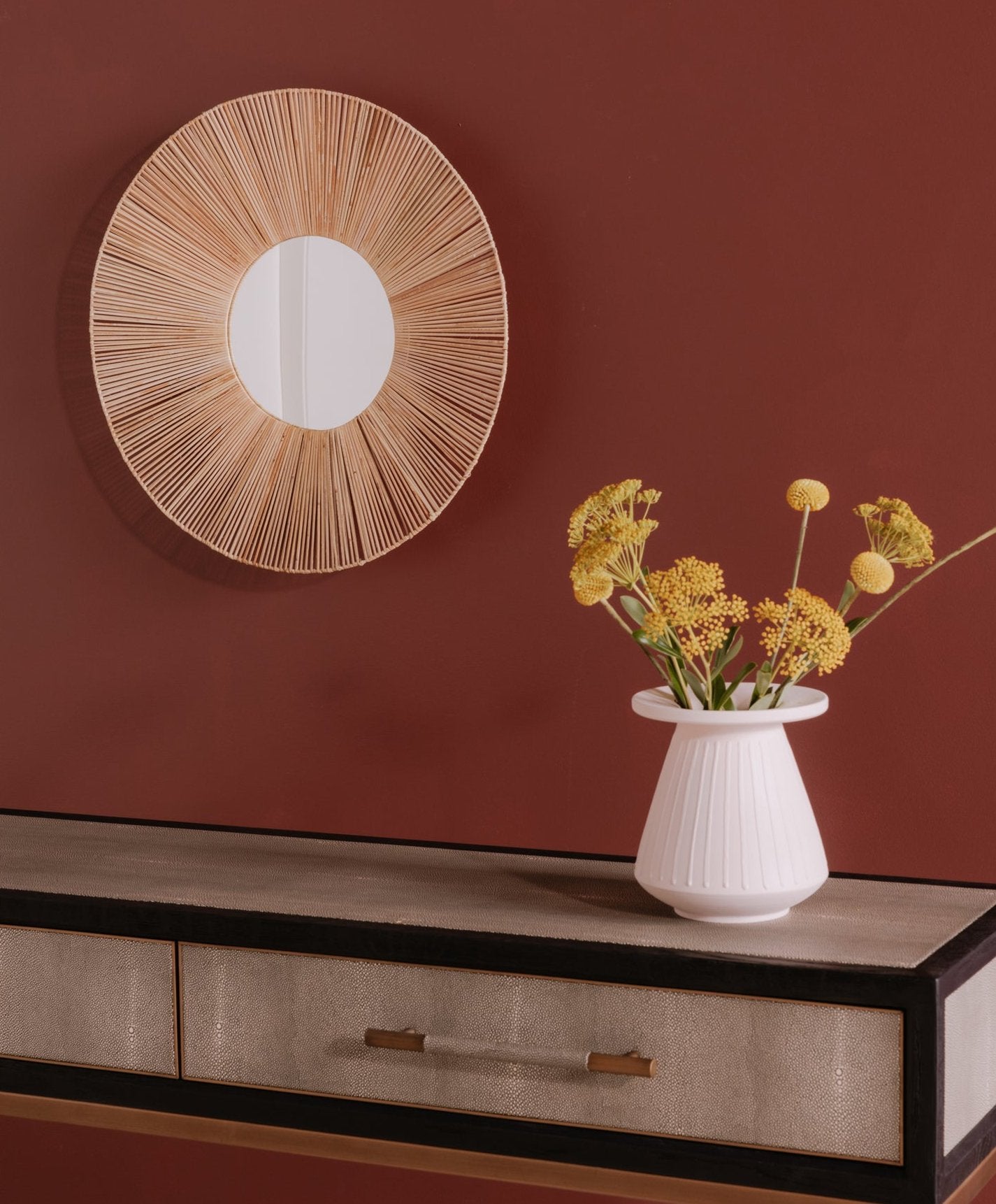


A sideboard can transform any room from cluttered to organized while adding serious style. These long, low storage pieces work hard in living rooms, entryways, and home offices. They hide the mess behind closed doors and give you a beautiful surface to decorate. Think of them as the secret weapon for homes that need more storage without losing their good looks.
The best part? A sideboard for living room spaces does double duty. It stores everything from board games to extra blankets while creating a focal point that pulls the room together. Move that same piece to your entryway, and it becomes a drop zone for keys and mail. Put it in your office, and suddenly you have stylish file storage that beats any metal cabinet.
Key Takeaways
Sideboards offer practical storage and display space in three key areas of your home. In living rooms, place them behind sofas or along blank walls to store entertainment essentials and create visual interest. For entryways, choose pieces 60-70 inches wide and 16-18 inches deep to maximize storage without blocking traffic flow. In home offices, sideboards replace traditional filing cabinets with better-looking storage that keeps supplies organized and accessible.
|
Room |
Best Placement |
Ideal Size |
Primary Use |
|
Living Room |
Behind the sofa or along the wall |
60-72 inches wide |
Entertainment storage, display surface |
|
Entryway |
Against the entry wall |
60-70 inches wide, 16-18 inches deep |
Keys, mail, shoes, bags |
|
Home Office |
Behind the desk or along the wall |
60-72 inches wide |
Files, supplies, equipment |
Living Room Sideboard Placement Ideas
Your living room has several smart spots for a sideboard. Each location serves a different purpose.
Behind the Sofa
This placement works great in open-concept homes. The sideboard acts like a room divider without blocking your view. It should sit slightly lower than your sofa back. Measure before you buy to get the right height.
This spot gives you hidden storage for throws, remotes, and magazines. The top becomes a perfect place for a table lamp and some decor. You can even use it as a bar setup when friends come over.
Along a Blank Wall
Empty walls need furniture to feel complete. A living room sideboard fills that space and adds balance to the room. Place it on the longest wall for maximum impact.
Style the top with a large mirror or artwork. Add a table lamp on one side and some plants on the other. Keep the arrangement simple so your eye can move across the display easily.
As a Media Console
Forget the standard TV stand. A sideboard works better as a media console. It offers way more storage for all those cords, remotes, and gaming systems.
Look for pieces with cable management holes in the back. Adjustable shelves help you fit different equipment sizes. The closed cabinets hide everything you don't want to see.
Next to Your Seating
Put a sideboard next to your sofa or sectional, and it becomes a supersized end table. This works well in rooms with lots of wall space. The sideboard adds a solid visual anchor.
Choose one with doors instead of open shelves. You don't want to see clutter every time you sit down. Use the top for drinks, books, or a reading lamp.
Shop Modern Luxury's media consoles for sleek storage that keeps your living room tidy and tech-ready.
Styling Your Living Room Sideboard
Good styling makes your sideboard look intentional. Follow these simple rules.
Mix Different Heights
Combine tall and short items. A tall lamp balances out a low bowl. Stack some books to create a medium height. This variety keeps the display interesting.
Your tallest item should go off to one side. Center it, and the arrangement looks too stiff. Asymmetry feels more natural and relaxed.
Use the Rule of Three
Make use of the rule of three in interior design by grouping things in threes. Three candles look better than two or four. Three picture frames create a nice cluster. Your brain likes odd numbers.
This rule works at different scales, too. You might have three main groupings across the whole surface. Within each group, you could have three smaller items.
Add Plants and Natural Elements
Greenery brings life to any sideboard. A small potted plant works great. Fresh flowers in a vase look even better. Even simple eucalyptus stems last for weeks and smell amazing.
Mix in other natural materials. A wooden bowl, stone bookends, or a ceramic vase add texture. These elements warm up the space and make it feel less formal.
Create Layers with Art
Hang a large piece of art on the wall behind your sideboard. Then lean a smaller framed print against the wall on the surface. This layering adds depth and makes the display feel curated.
The wall art should be about two-thirds the width of your sideboard. Any bigger and it overwhelms the furniture. Any smaller and it looks lost.
Modern Sideboard Decor Elements
Keep your look current with clean lines and simple shapes. Modern style means less clutter and more breathing room. Choose one or two statement pieces instead of covering every inch.
Metal accents in gold or black add a contemporary touch. Geometric shapes work well. Skip the fussy details and ornate patterns. The goal is sophisticated simplicity.
Sideboard Ideas for Entryways
Your entryway sets the tone for your whole home. A sideboard for entryway spaces makes this area both pretty and practical.
Size Matters in Tight Spaces
Entryways tend to be narrow. Look for sideboards that are 16-18 inches deep. This shallow depth keeps the piece from jutting out into the walkway. You need at least 30 inches of clear space in front for comfortable traffic flow.
Width depends on your wall space. Most entryway sideboards run 60-70 inches wide. Measure your wall and leave 6-12 inches of space on each side. The sideboard shouldn't stretch from corner to corner.
Storage for Everyday Items
The inside of your entryway sideboard should hold the things you grab when leaving home. Shallow drawers work well for sunglasses and keys. Deeper cabinets can store shoes, bags, or umbrellas.
Add small baskets inside the cabinets to organize loose items. Label them if you share the space with family members. Everyone will know where things belong.
Create a Drop Zone
The top surface becomes your landing spot for mail, packages, and daily essentials. Keep a tray, bowl, or box decor piece there to corral small items. This contained-clutter looks intentional.
Add a table lamp for warm lighting when you come home at night. A small vase with fresh flowers makes the space feel welcoming. Keep it simple since this is a high-traffic area.
Add a Mirror Above
Hang a mirror on the wall above your sideboard. This gives you a last-minute check spot before heading out the door. Mirrors also bounce light around and make small entryways feel bigger.
The mirror should be slightly smaller than the sideboard width. Center it or hang it slightly off-center for visual interest. Make sure it hangs at eye level.
Home Office Sideboard Solutions
Home offices need storage that looks good on video calls. A sideboard for office use beats metal filing cabinets every time.
How to Choose a Sideboard for Your Office
Start with your storage needs. Do you need file drawers? Deep cabinets for equipment? Shelves for books? Make a list before shopping.
Measure your office space carefully. Leave room for your chair to pull out from your desk. The sideboard should complement your desk height, not fight with it.
Pick a style that matches your desk or makes an intentional contrast. Wood tones can coordinate without matching perfectly. One similar element ties the pieces together.
Behind Your Desk Placement
Put the sideboard against the wall behind your desk chair. This gives you storage within arm's reach. You can grab supplies without getting up.
This placement also creates a nice backdrop for video calls. Style it like you would a living room sideboard. Keep it neat since it will appear on camera.
As an Extra Work Surface
A sideboard can serve as a second desk surface. Set up your printer and scanner on top. Use the cabinets below for paper and supplies.
This works great if your main desk needs to stay clear. You can turn to the sideboard for tasks that need more spread-out space.
Cable Management Features
Look for sideboards with holes or channels in the back panel. These let you route power cords and cables neatly. You can hide power strips inside the cabinets.
This feature matters most if you store electronics on or in the sideboard. Printers, routers, and charging stations all need power access.
Blending Office and Living Spaces
Many people work in multi-use rooms now. Choose a sideboard that fits both office and living room aesthetics. This lets the piece blend in when work ends.
Wood finishes in walnut or oak work well for this dual purpose. Avoid anything too corporate or too casual. Aim for the middle ground that feels at home in either setting.
Choosing the Right Sideboard Size
Size affects how well your sideboard works in the space.
Standard Dimensions
Most sideboards are 34-36 inches tall. This height works for serving food or displaying items. It also relates well to dining table height.
The standard width ranges from 48 to 72 inches. Smaller rooms need pieces on the shorter end. Larger spaces can handle wider sideboards.
Depth typically runs 20-24 inches. Entryways might need shallower options at 16-18 inches. Deeper pieces hold more but take up more floor space.
Measuring Your Space
Measure the wall where the sideboard will sit. Write down the full width and height. Account for baseboards, outlets, and heat vents.
Mark the floor with painter's tape to show where the sideboard would go. Walk around it. Make sure doors and drawers can open fully. Check that you have enough clearance to move comfortably.
Proportion to Other Furniture
Your sideboard should relate well to nearby furniture. In dining rooms, it typically sits slightly taller than the table. In living rooms, it should work with the sofa height and scale.
Too small and it disappears. Too large and it overwhelms the room. When in doubt, go slightly smaller. You can always add a second piece later.
Storage Features That Matter
The inside of your sideboard matters as much as the outside.
Drawers vs. Cabinets
Drawers work best for small items like napkins, office supplies, and utensils. They let you see everything at once. Shallow drawers (2-4 inches) hold flat items. Deeper drawers (6-8 inches) fit bulkier things.
Cabinets suit larger items. Dishes, electronics, and storage baskets fit better behind doors. Look for adjustable shelves so you can customize the space.
The best sideboards mix both. A few drawers on top with cabinets below give you the most flexibility.
Soft-Close Mechanisms
Soft-close hinges and drawer slides cost more, but they're worth it. Doors and drawers close quietly and gently. This prevents slamming and extends the life of your furniture.
Test this feature in the store if you can. You'll feel the difference between soft-close and regular hardware.
Adjustable Shelving
Fixed shelves limit what you can store. Adjustable shelves move up and down to fit different items. You might need tall vases one year and stacks of dishes the next.
Check how many adjustment points the shelves have. More options mean better customization. Also, check the weight capacity. Quality shelves hold 15-20 pounds each.
Style and Material Options
Your sideboard's style should work with your home's overall look.
Mid-Century Modern
This style features clean lines and tapered legs. Wood tones like walnut and teak are common. The look feels retro but still current.
Mid-century sideboards often have sliding doors. The hardware is minimal or hidden. This style works in contemporary homes and adds warmth to modern spaces.
Contemporary and Modern
Contemporary pieces have sleek profiles and simple shapes. They might mix wood with metal or glass. The hardware is either very minimal or completely hidden with push-to-open doors.
These sideboards fit well in open-concept homes. They don't compete for attention. The clean design lets your decor take center stage.
Traditional and Classic
Traditional sideboards feature ornate details and rich wood finishes. You might see carved panels, decorative hardware, and curved legs.
These pieces work in formal dining rooms and classic home styles. They make a statement on their own. The styling can be simpler since the furniture has plenty of detail.
Common Mistakes to Avoid
Learn from these frequent errors.
Wrong Scale Decor
Small items get lost on a large sideboard. Tiny picture frames and miniature vases disappear. Use bigger pieces or group small items together.
The opposite is true, too. Giant objects overwhelm a petite sideboard. Match your decor size to your furniture size.
Blocking Traffic Flow
Leave enough space to walk past comfortably. You need 30 inches minimum. More is better in high-traffic areas.
Also, check that drawers and doors can open fully. Don't place furniture too close that blocks its function.
Overcrowding the Surface
More stuff doesn't mean better style. Pick your favorite items and display those. Put away or store the rest. Negative space matters.
A cluttered sideboard looks messy even if each item is beautiful. Give your decor room to breathe.
Ignoring the Wall Behind
Don't leave the wall above your sideboard blank. This space needs art, a mirror, or wall decor. The wall and the sideboard should work together as one display.
The empty wall makes the whole setup feel unfinished. Take time to plan both elements.
Media Unit Decor and Layout Tips
Media unit decor and layouts for consoles need special consideration for both function and style.
Hide the Cords
Use the cable management holes in the back of your sideboard. Bundle cords together with Velcro ties. Keep power strips inside the cabinet.
Nothing ruins a good-looking setup like a tangle of visible cords. Take the extra time to route them properly.
Balance the TV
Your TV should sit centered on the sideboard. If it's mounted on the wall above, center it over the furniture piece.
Style the areas on either side of the TV. Keep these displays low so they don't compete with the screen. Small plants or simple objects work well.
Storage for Components
Keep gaming systems, DVD players, and streaming devices in the cabinets. Drill extra holes if needed for ventilation. Electronics need airflow to avoid overheating.
Label cords before you tuck them away.
Conclusion
Sideboards solve storage problems in every room of your home. They work hard behind the scenes while looking good out front. A sideboard for living room storage handles entertainment essentials. The same piece type organizes your entryway chaos. In your office, it replaces boring filing cabinets with style.
The key is choosing the right size and placement for each space. Measure carefully, think about what you need to store, and pick a style that fits your home. Then have fun styling the top with plants, art, and personal items that make you smile.
Looking to find your perfect sideboard? Modern Luxury offers expertly crafted pieces that combine stunning design with smart storage solutions. Because your home deserves furniture that works as hard as it looks good.
Frequently Asked Questions
Can a sideboard work in a small apartment?
Yes, choose a narrow sideboard around 48 inches wide and 16 inches deep. These compact sizes fit tight spaces while still providing useful storage and display area.
What's the difference between a sideboard and a credenza?
Sideboards have short legs or sit on the floor, while credenzas have very short legs or a plinth base and tend to be longer and lower overall.
Should my sideboard match my dining table?
No, they don't need to match perfectly. One similar element, like wood tone or leg style, is enough to tie them together visually.
How much weight can a sideboard top hold?
Most quality sideboards support 50-100 pounds on top. Check manufacturer specifications before placing heavy items like large TVs or stone sculptures.
Can I use a sideboard as a changing table?
Some parents use low sideboards as changing tables, but make sure the height works for you and always use a proper changing pad with safety straps.