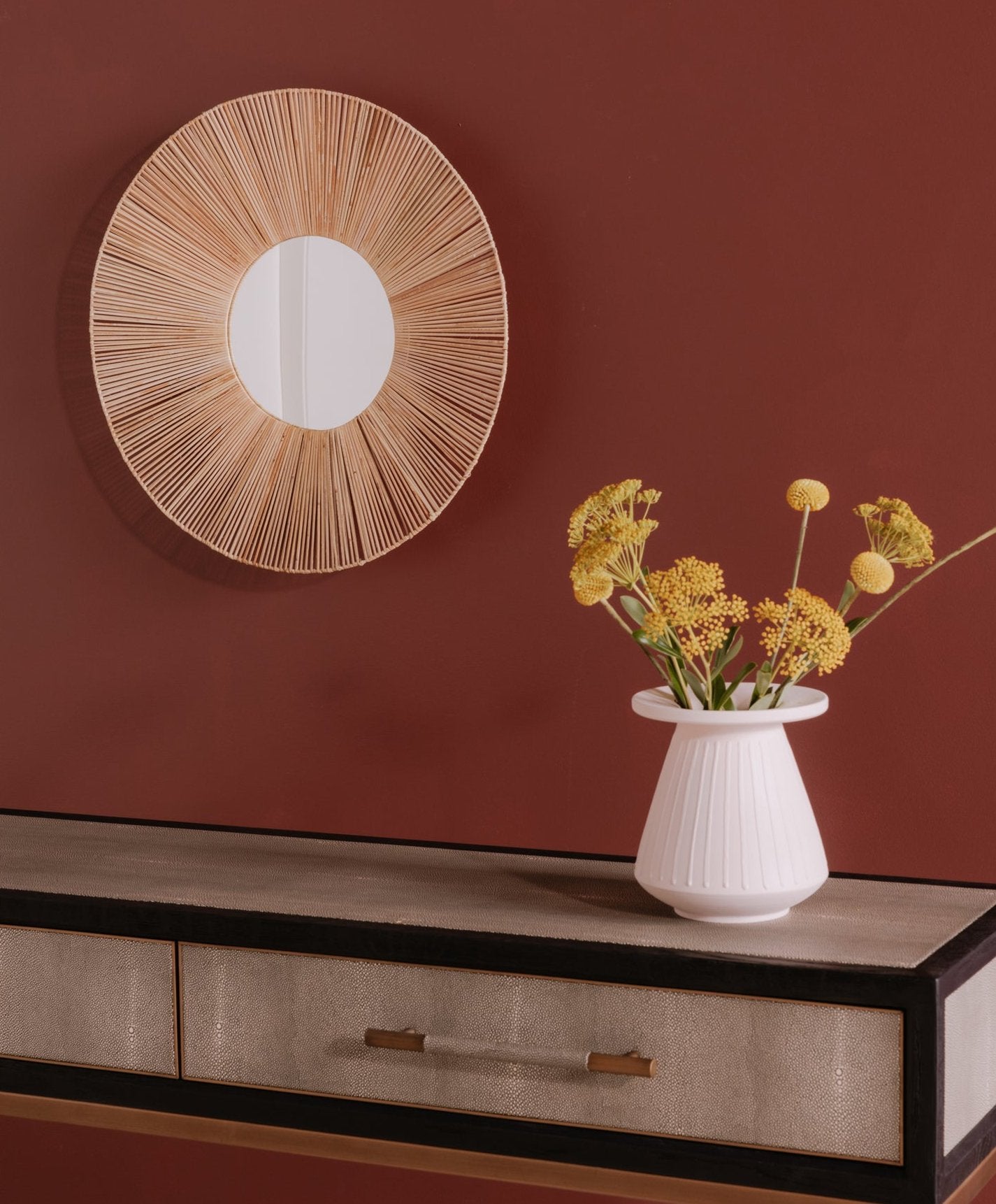


Walk into any bedroom showroom in the Sugar Land or Greater Houston area, and you will likely see both wardrobes and dressers side by side. They both store clothes. They both anchor a bedroom. But they solve very different problems — and picking the wrong one can leave you with a cluttered room and a storage headache you did not plan for.
The wardrobe vs dresser debate comes down to your space, your habits, and what you actually need to store. Understanding those differences up front will save you time, money, and a lot of second-guessing.
If dressers are already on your radar, browsing a curated dresser collection is a great place to start comparing styles before you decide.
Key Takeaways
A wardrobe works best when you need hanging space and your bedroom lacks a built-in closet, while a dresser is the stronger choice for folded clothing and drawer-based organization in rooms that already have closet space. Your decision should be guided by your room size, your closet situation, and the types of clothing you store most often.
|
Factor |
Wardrobe |
Dresser |
|
Best for |
Hanging clothes, no closet |
Folded items, full closets |
|
Space needed |
More floor space |
Less floor space |
|
Height |
Tall, vertical storage |
Low-profile, horizontal |
|
Style impact |
Statement piece |
Subtle, supporting piece |
|
Ideal room size |
Medium to large |
Small to large |
|
Cost range |
Generally higher |
Generally lower |
|
Organization style |
Visual, open-access |
Layered, compartmentalized |
Modern Luxury carries a handpicked selection of wardrobes and dressers designed for modern Houston homes.
What Is a Wardrobe?
A wardrobe is a freestanding cabinet designed primarily to hold hanging clothes. It typically includes a hanging rod, sometimes a shelf above it, and in many modern designs, a combination of drawers at the bottom. Because it stands tall and independent, it acts as its own closet.
Wardrobes became a household staple in older homes and European residences where built-in closets were uncommon. Today, they remain popular in rooms that are short on closet space, in guest rooms, or as a bold design statement in a well-appointed master suite.
Types of Wardrobes
Single-Door Wardrobes
Compact and narrow, these fit well in smaller rooms or in corners. They offer basic hanging space and are a practical starting point for rooms with limited square footage.
Double-Door Wardrobes
The most common style, double-door wardrobes, offer a balanced mix of hanging space and shelving. They are versatile enough to work in most bedroom sizes.
Sliding-Door Wardrobes
These are ideal for rooms where swing clearance is limited. The doors slide rather than open outward, which keeps the surrounding floor space free.
Open Wardrobes
A growing trend in modern interior design, open wardrobes have no doors at all. They display clothing like a boutique and work well in tidy, organized spaces with a consistent color palette.
Pro Tip: If you go with an open wardrobe, keep your color palette consistent. Uniform hangers and folded items in matching tones make the whole thing look intentional and polished.
What Is a Dresser?
A dresser is a low, horizontal piece of furniture with multiple drawers. It is designed for folded clothing, think T-shirts, jeans, underwear, socks, and sweaters. Most dressers stand between waist and chest height, and many include a mirror mounted above.
The dresser's low profile makes it easy to use the top surface for display, whether that means a mirror, a lamp, framed photos, or decorative objects. This dual function, storage below, display above, is one of the main reasons bedroom storage solutions often center around a well-chosen dresser.
Types of Dressers
Standard Dresser
Wide and low with three to six drawers arranged in rows. This is the classic style and the most common choice for master bedrooms and guest rooms alike.
Tall Dresser (Chest of Drawers)
Narrower but taller than a standard dresser, this style trades width for height. It is a smart choice for smaller rooms where floor space is at a premium.
Double Dresser
Extra-wide with two columns of drawers, this style offers generous storage and is popular in shared bedrooms where two people divide drawer space.
Good to Know: A tall dresser takes up less floor space than a standard dresser while offering a similar amount of total drawer capacity, a useful trade-off in smaller Houston apartments or townhomes.
Wardrobe vs Dresser: A Direct Comparison
Storage Type and Capacity
This is the core difference. A wardrobe stores hanging garments — suits, dresses, dress shirts, coats, and anything that benefits from staying wrinkle-free on a hanger. A dresser for bedroom use is built for folded items that do not need to hang.
If your wardrobe consists mostly of professional attire or formal wear, a wardrobe protects those pieces far better than a drawer ever could. If you live in casual clothes, jeans, hoodies, and activewear, a dresser handles those categories with ease.
Why It Matters: Hanging clothes in a dresser drawer will wrinkle them. Folding items that should hang wastes space in a wardrobe. Matching the furniture to the clothing type is the single most important factor in this decision.
Space and Room Layout
A wardrobe requires significant floor space. Even a modest double-door model can span five to six feet wide and stand over six feet tall. Placement matters enormously, you need clearance for the doors to open fully, and you need enough visual breathing room so the piece does not overwhelm the room.
A dresser is more spatially flexible. It sits lower, takes up less visual weight, and can tuck into tighter spaces. In a smaller bedroom, a tall dresser can provide nearly the same drawer storage as a standard model while occupying a noticeably smaller footprint.
For rooms that need storage beyond the bedroom, Modern Luxury's sideboard collection offers elegant solutions for entryways, dining rooms, and living spaces — see how to style them in this sideboard ideas guide.
Style and Visual Weight
A wardrobe is a statement. It anchors a room and draws the eye. Chosen well, it becomes the focal point of the bedroom. Chosen poorly, it can make a space feel smaller or busier than it is.
A dresser is more of a supporting player. It contributes to the room's style without commanding attention. This makes it easier to work into a variety of design schemes without needing to redesign the whole room around it.
Fun Fact: In many European countries, the wardrobe, not the bed, is considered the most important piece of furniture in a bedroom, since closets in older homes are rare or nonexistent.
Where Should a Wardrobe Be Placed in a Bedroom?
Placement is one of the most common sources of frustration for people who invest in a wardrobe for bedroom use. Here are the most practical guidelines:
-
Against a wall with no windows or doors nearby. Wardrobes need unobstructed wall space. Placing one near a door can block swing clearance and make the room feel cramped.
-
Opposite or adjacent to the bed. This creates visual balance and makes the wardrobe feel like part of a cohesive layout rather than an afterthought.
-
Away from direct sunlight. UV light can fade wood finishes and fabric over time. Keeping a wardrobe away from south- or west-facing windows extends its lifespan.
-
Leave at least 24 inches of clearance in front. For swing-door models, this is the minimum you need to open both doors fully and access everything inside comfortably.
Heads Up: In Houston's humidity, solid wood wardrobes can expand slightly during the summer months. Leave a small gap between the wardrobe and the wall to allow for natural movement and prevent warping.
What Are Common Wardrobe Design Mistakes?
Even a beautiful wardrobe can underperform if it is not set up correctly. These are the mistakes that come up most often:
Buying too large a piece for the room. It is tempting to maximize storage, but an oversized wardrobe will dominate a bedroom and make it feel more like a storage unit than a retreat.
Ignoring the interior layout. The exterior might look great, but if the interior only has a single hanging rod with no shelving or drawers, you will run out of organized space quickly. Look for configurable interiors.
Skipping door clearance planning. Swing-door wardrobes need room to open. If a door hits the bed, another piece of furniture, or a wall, the wardrobe becomes inconvenient to use.
Mismatching finishes. A wardrobe in a dark espresso finish will clash with light wood bed frames or white nightstands unless the contrast is intentional. Cohesion matters.
Overlooking lighting. The inside of a wardrobe can be surprisingly dark, especially in tall double-door models. Interior lighting, even a simple LED strip, makes a real difference in usability.
Quick Tip: If you are styling the rest of your bedroom around a statement wardrobe, keep other accent furniture low-profile. A console table or a slim bench at the foot of the bed will complement a tall wardrobe without competing with it visually.
Making the Final Call: Which One Do You Need?
Here is a simple way to think through your decision:
-
Choose a wardrobe if your bedroom has little to no closet space, your wardrobe leans formal or dress-heavy, or you want a bold furniture anchor for the room.
-
Choose a dresser if you already have a closet, most of your clothes are casual and foldable, or you need a low-profile piece that doubles as a display surface.
-
Choose both if your closet is full, you have the floor space, and you want a fully organized bedroom where every category of clothing has a dedicated home.
Keep in Mind: Houston homes in Sugar Land and the surrounding areas tend to have generous master bedroom dimensions. That extra space is an opportunity, not a reason to buy the biggest piece you can find, but to create a room that feels intentional and comfortable.
If you are ready to start comparing real options, Modern Luxury's wardrobe collection features styles suited to modern Houston interiors, from sleek minimalist designs to rich, warm wood finishes.
Conclusion
Choosing between a wardrobe and a dresser comes down to how you use your space and how you organize your clothing. A wardrobe is the right choice if you need dedicated hanging space or do not have a built-in closet, while a dresser works best for folded items and rooms where space needs to be used efficiently.
Rather than viewing it as an either-or decision, think about what your bedroom actually lacks. In many cases, combining both creates a more functional setup where every type of clothing has its place.
Take a moment to assess your room size, storage gaps, and daily habits before making a decision. The right choice will not just store your clothes, it will make your entire bedroom feel more organized, practical, and easier to live in.
Frequently Asked Questions
Can I use a wardrobe and a dresser together in the same bedroom?
Yes, and for many people, this is the ideal setup. A wardrobe handles hanging clothes while a dresser takes care of folded items, giving every category of clothing its own dedicated home.
How do I know if my bedroom is too small for a wardrobe?
A general rule is that a wardrobe should not take up more than one-third of a single wall. If placing a wardrobe leaves less than three feet of clearance between it and the nearest piece of furniture, the room is likely too small for a comfortable fit.
What material is best for a bedroom wardrobe in a humid climate like Houston?
Engineered wood and MDF with sealed finishes tend to handle humidity better than solid wood because they are less prone to warping. If you prefer solid wood, look for pieces with a protective lacquer or oil finish and allow a small gap between the wardrobe and the wall.
Are open wardrobes practical for everyday use?
Open wardrobes work well for people who are naturally organized and prefer easy visual access to their clothing. They require more upkeep than closed wardrobes since dust settles on clothes more quickly.
Is a tall dresser or a wide dresser better for a shared bedroom?
A wide dresser with two columns of drawers is generally better for a shared bedroom because it provides a natural way to divide storage between two people. Tall dressers work better for single occupants with limited floor space.